Confronting Crocodile Conflict: A Journey through Malawi's Riverbanks
Ian Bartlett
10/25/20252 min read
Understanding Human-Wildlife Conflict
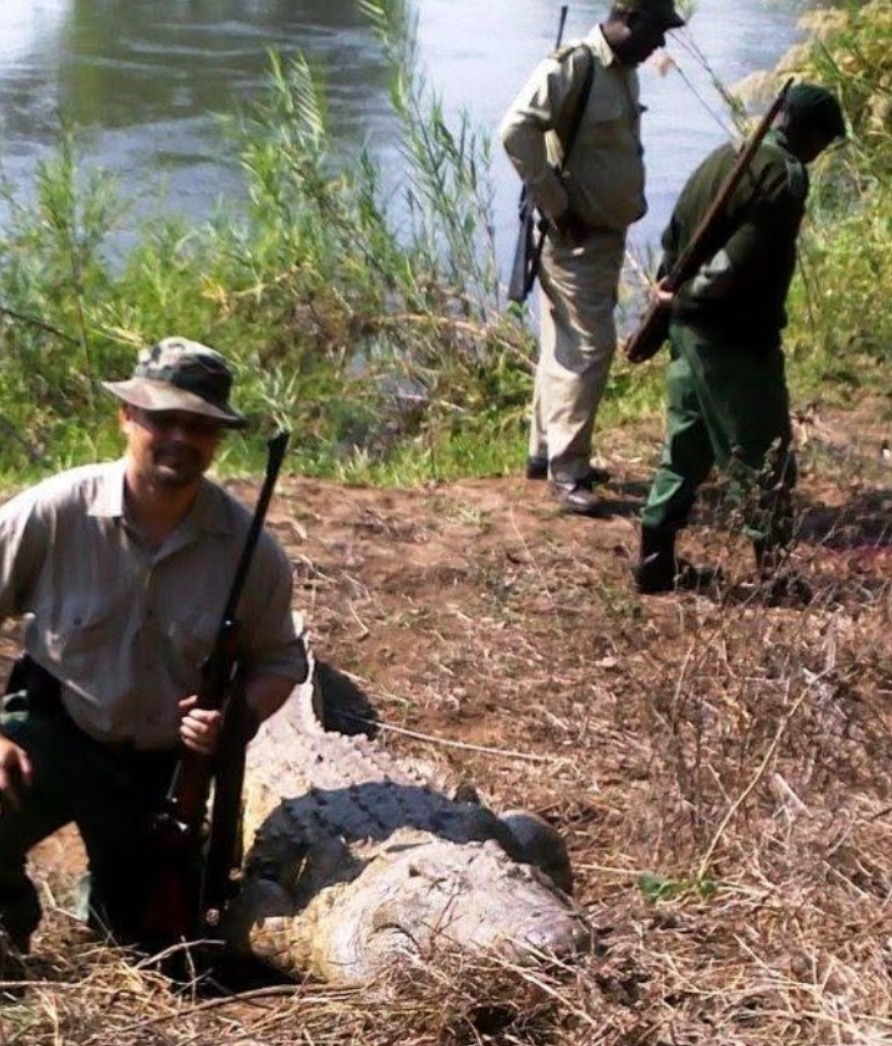
When duty meets danger on the riverbanks of Africa, one must grapple with the profound tension between humans and wildlife. My time working alongside the Department of National Parks and Wildlife provided me with an invaluable perspective on this intricate relationship, particularly concerning the apex predators that both fascinate and frighten community members: crocodiles.
The Role of Communities and Their Dependencies
Along the banks of Malawi's rivers, communities rely heavily on these waters. The rivers are a source of life, providing essential resources such as drinking water, fishing opportunities, and irrigation for crops. It is in these vital areas that human-wildlife conflict often arises. As people and crocodiles seek the same shores, tensions can escalate, resulting in tragic consequences. My mission—and that of my colleagues—was never driven by the desire for trophies; instead, our goal was to protect both human lives and the delicate balance of nature that supports these animal populations.
Confronting Danger with Responsibility
Each encounter with these formidable creatures weighed heavily on my conscience. Understanding that the crocodile before me, while formidable, was also a magnificent survivor, shaped our approach. Our operations aimed to mitigate threats, not eliminate crocodiles entirely. We respected the ecosystem and advocated for coexistence, recognising that these animals have a role in maintaining the health of the river's environment.
Our work involved responding to distress reports of crocodiles engaging in predatory behaviour towards livestock and, in unfortunate instances, individuals. The decision-making process behind each hunt was never taken lightly; we often weighed the immediate danger posed by individual animals against the broader implications of their removal from their habitat.
Reflections on the Journey
These experiences are etched in my memory and have reinforced my understanding of the complexities involved in human-wildlife interactions. The narratives that unfolded on the riverbanks of Malawi highlighted the duality of nature's beauty and its brutality. As I reflect on my journey, it becomes clear that stories like these are not just tales of confrontation; they are lessons in the importance of safeguarding lives while respecting the intricate balance of our ecosystems. My time in the field was not just duty—it was a profound lesson in humility and respect for all creatures, great and small.
As we grapple with evolving human-wildlife conflicts, it is essential to foster understanding and implement strategies that honour both our safety and the existence of these remarkable predators. The rivers of Malawi hold stories of duty, danger, and survival that deserve to be shared for the benefit of future generations.
The Real Crocodile Hunter®
© 2026 Ian Bartlett.
The Real Crocodile Hunter® is a registered trademark. All Rights Reserved.