Hunting Man-Eating Crocodiles: My Unforgettable Experience
3/29/20262 min read
Understanding Man-Eating Crocodiles
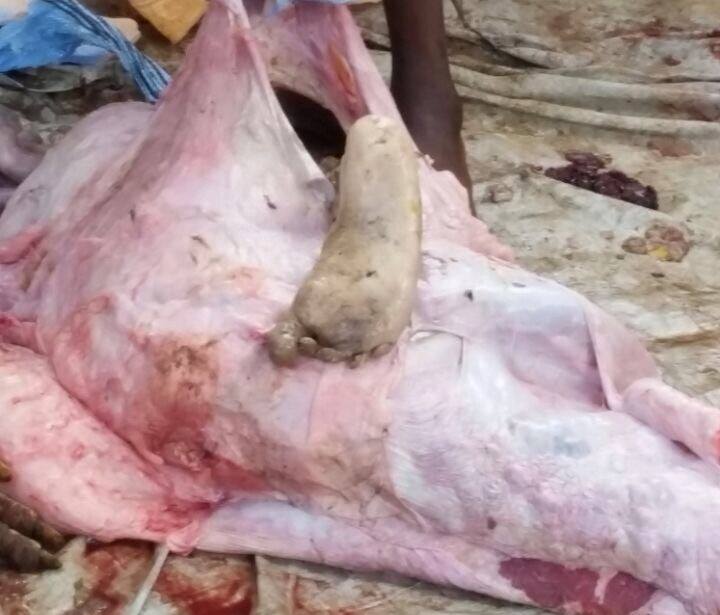
Man-eating crocodiles represent one of the most alarming aspects of human-wildlife interaction. Understanding the psychology and behaviour of these reptiles is crucial to grasping why certain crocodiles develop a propensity for human predation. Typically, adult saltwater crocodiles (Crocodylus porosus) and Nile crocodiles (Crocodylus niloticus) are most often implicated in such incidents. These individuals usually exhibit considerable size and maturity, with males often exceeding lengths of 12 feet and weighing over 1,000 pounds.
Notably, size alone does not determine predatory behaviour. Environmental factors also play a pivotal role. In areas where natural prey is scarce—due to habitat destruction or overfishing—crocodiles may increasingly turn to humans as an alternative food source. This adaptation can be particularly pronounced in regions where human populations are encroaching on wetlands, leading to a higher likelihood of dangerous encounters.
Moreover, historical cases provide insight into this phenomenon. For instance, the infamous Charles Townes crocodile in Papua New Guinea was known for its deadly attacks on fishermen, contributing to local fears and legends. Experts often emphasise that human actions deeply influence crocodile behaviour, pushing them toward predation through factors such as pollution, poaching, and baiting with carcasses.
The shift in a crocodile's diet is often linked to previous encounters with humans. For instance, if a crocodile has experienced easy access to human beings—due, for example, to lack of fear fostered by ongoing interactions—it may increasingly view humans as a viable food option. This complex interplay between size, behavioural adaptation, and environmental impact underpins the alarming and, at times, tragic events associated with man-eating crocodiles.
Reflections on Wildlife Conservation and Ethics
The delicate balance between human safety and wildlife conservation is a pressing concern in our increasingly interconnected world. Engaging in the hunting of man-eating crocodiles, while often deemed necessary for community security, presents significant ethical dilemmas. These majestic reptiles, emblematic of wild ecosystems, evoke fascination even in the face of their perilous nature. Upon reflection, my experience of hunting these formidable creatures urged me to confront the moral implications of such actions.
In many parts of the world, crocodile attacks can lead to tragic consequences for local communities. As we seek to secure our safety, the question arises: Does hunting become an act of justified protection or a mere exploitation of nature's dangers? This conflict often leaves hunters grappling with a steep learning curve about conservation methods and the intrinsic value of species imperilled by human encroachment.
Post-experience, I found myself reconsidering our roles as stewards of the environment. While my actions were driven by necessity, they underscored the importance of a more integrated approach towards wildlife management. Effective conservation strategies must address the root causes of human-wildlife conflict, such as habitat destruction and resource competition. The holistic Goal should focus not only on curbing threats to humans but also on fostering coexistence with nature.
Moreover, fostering awareness about the ecological roles that crocodiles play is essential. Understanding these reptiles' behaviours and habitats can lead to better safety protocols that minimise encounters, thereby preserving both human life and these extraordinary animals. Each encounter with such a creature reminds us of the profound wisdom nature imparts, compelling us to ponder our responsibility in its protection. Ultimately, enlightened engagement with wildlife can lead to innovative solutions that honour both safety and conservation efforts.

The Real Crocodile Hunter®
© 2026 Ian Bartlett.
The Real Crocodile Hunter® is a registered trademark. All Rights Reserved.