
Celebrating World Environment Day 2026: The Power of Individual Action in Conservation
6/4/20268 min read
World Environment Day 2026
World Environment Day, celebrated annually on June 5th, has emerged as a pivotal platform promoting global awareness and action for environmental conservation. Established by the United Nations in 1972 during the Stockholm Conference on the Human Environment, this day serves as a reminder of our shared responsibility towards the planet. Over the years, World Environment Day has witnessed significant engagement from various sectors, including governments, organisations, and individuals, fostering a collective commitment to addressing environmental challenges.
The significance of World Environment Day cannot be overstated. It champions themes that resonate with pressing ecological issues while encouraging individual actions that can lead to meaningful change. Each year, the event shifts its focus to a specific theme, highlighting different aspects of environmental protection and sustainability. This focused approach not only raises awareness but also instils a sense of urgency in addressing global environmental issues.
For World Environment Day 2026, the selected theme is "Individual Actions, Collective Impact." This theme emphasises the essential role that personal choices play in driving large-scale environmental change. It invites individuals to reflect on their daily habits and explore how seemingly small actions can contribute to global conservation efforts. By fostering awareness of the cumulative impact of individual contributions, the campaign seeks to inspire a movement that encourages widespread participation in environmental stewardship.
The upcoming World Environment Day presents an opportunity for all to engage in dialogue and action surrounding sustainability. As people around the world prepare to celebrate this day, it is imperative to recognise that every action counts. From reducing waste to conserving energy, individuals have the power to create substantial environmental shifts when united under the common goal of conservation.
My Personal Journey of Conservation
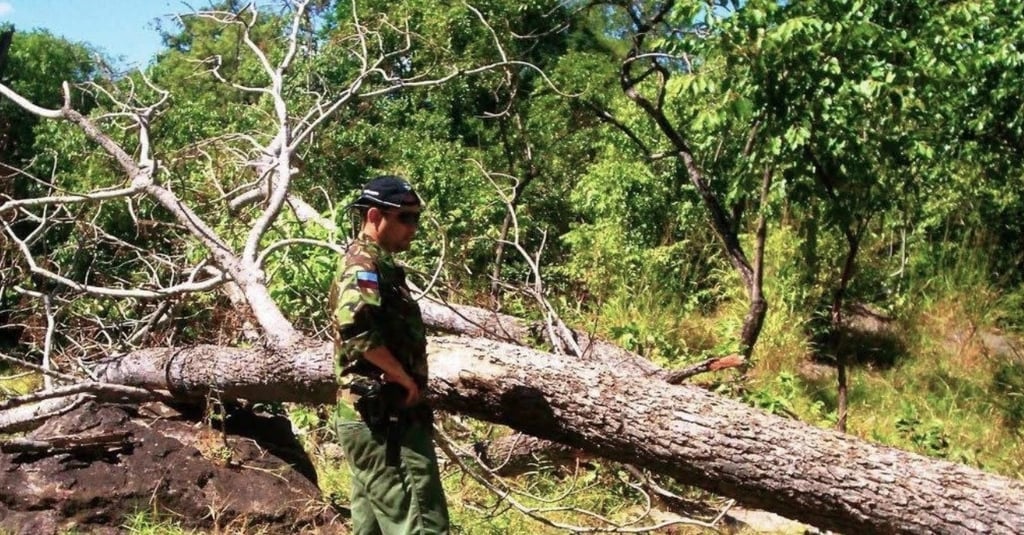
Over two decades ago, my commitment to the conservation of the Mpatamanga wilderness marked the beginning of an arduous yet rewarding journey. When I first set foot in this magnificent ecosystem, I was captivated by its beauty and biodiversity, yet I was equally aware of the growing threats it faced from human activities. The initial phase of my conservation work was fraught with challenges, especially notable was the absence of financial resources. Many aspiring conservationists encounter similar hurdles, but it was my passion for protecting this natural treasure that kept me focused and determined.
In the early days, I often found myself alone, working tirelessly to promote awareness about the importance of the Mpatamanga wilderness. The task felt overwhelming at times, but with each small victory—be it engaging a local community member or securing a tiny grant—I felt a renewed sense of purpose. It became clear that nurturing a culture of conservation requires not only personal commitment but also community engagement. I quickly learned that building relationships with the local populace was essential; they were integral allies in the journey towards sustainable conservation.
The learning curve was steep, and not without its setbacks. There were days filled with doubt and exhaustion, where the lack of immediate results tested my resolve. However, the heartwarming stories of wildlife rebounding or local residents choosing to protect their environment fueled my perseverance. It was this dedication to the cause that transformed my vision into a grounded reality. By championing grassroots initiatives and advocating for policy changes, I learned that even an individual, despite limited resources, holds the power to ignite change. Each effort, no matter how small, contributes to the broader picture of conservation, underscoring the principle that collective action begins with individual commitment.
Successes Over Two Decades
Over the past two decades, concerted conservation efforts have yielded remarkable results, particularly in the protection of over 519,000 indigenous trees, including several rare species. This significant achievement not only demonstrates the effectiveness of long-term commitment to environmental stewardship but also underlines the importance of conserving biodiversity.
The Shire River region has been at the forefront of these initiatives, where local communities have played an integral role in restoration and maintenance efforts. The safeguarding of indigenous trees has provided numerous ecological benefits, including improved air quality, carbon sequestration, and enhanced habitats for various wildlife. Each tree, especially those that are rare, contributes to the delicate balance within the ecosystem, serving as a home to numerous birds and small mammals that are vital for pollination and seed dispersal.
Community involvement has been one of the key elements behind these successes. Educational programs aimed at engaging local populations in conservation practices have fostered a sense of ownership and responsibility towards the environment. As a result, many individuals have become advocates for sustainable practices, emphasising the role of individual action in broader conservation efforts.
Additionally, the observed improvements in the health of the local ecosystems have had positive repercussions on the livelihoods of the surrounding communities. As biodiversity flourishes, so too do the natural resources that residents rely upon for food, water, and economic activities such as ecotourism. These initiatives exemplify how an integrated approach, involving both individuals and communities, can lead to tangible environmental benefits.
The Importance of Forests and Biodiversity
Forests are indispensable components of our planet's ecosystem, providing an array of essential benefits that contribute to environmental stability and human well-being. One of the primary roles of forests is their contribution to wildlife conservation. Forests serve as habitats for a diverse range of species, creating complex ecosystems where animals and plants co-evolve and thrive. This biodiversity is critical, as it promotes resilience against environmental changes and disasters, ensuring sustainable ecosystems.
Moreover, forests function as vital carbon sinks. They absorb significant amounts of carbon dioxide from the atmosphere, making forests instrumental in mitigating climate change. As greenhouse gas emissions continue to rise, protecting and managing forest ecosystems is increasingly important. The carbon storage capabilities of forests must be recognised, particularly in vulnerable regions like Malawi, where deforestation poses a significant threat to both the environment and local communities.
In addition to carbon storage, forests play a key role in preventing soil erosion. The roots of trees anchor the soil in place, reducing the risk of landslides and maintaining land stability. This is particularly pertinent in areas prone to heavy rainfall and agricultural run-off, making soil conservation essential for sustaining food security and agricultural viability.
Water resource protection is another critical benefit provided by forests. Healthy forest ecosystems regulate water cycles, maintain water quality, and replenish aquifers. Forests help to filter pollutants and excess nutrients from water sources, ensuring clean water availability for both human consumption and agricultural needs.
The urgent need for conservation initiatives in Malawi and across Africa cannot be overstated. As forests continue to dwindle due to logging, agriculture, and other human activities, immediate actions must be taken to prevent further degradation. By fostering a collective commitment to conserving these essential ecosystems, we can ensure that forests remain a vital part of our environment for generations to come.
Call to Action: Everyone Can Make a Difference
As we celebrate World Environment Day 2026, it is imperative to recognise that every individual has the potential to contribute to environmental conservation. Engaging in sustainable practices may seem daunting, but small and consistent actions form the foundation of significant change. Individuals can adopt a proactive stance by taking steps that promote the preservation of our natural ecosystems.
One essential action is tree planting. Trees play a vital role in absorbing carbon dioxide, improving air quality, and enhancing biodiversity. By participating in local reforestation efforts or even planting trees in their backyards, individuals can help restore degraded areas and support wildlife habitats. Such initiatives not only foster environmental health but also bolster local communities and economies.
Moreover, protecting existing trees and green spaces is equally crucial. Individuals can advocate for local policies that prioritise green urban planning and the maintenance of parks and natural areas. By joining conservation groups or engaging in community clean-up events, participants can directly contribute to the well-being of their surroundings. Additionally, understanding the importance of native species and flora can help enhance local ecosystems, ensuring that they thrive for future generations.
Supporting local conservation initiatives is another avenue through which individuals can impact their environment positively. By volunteering time or donating resources to non-profit organisations focused on environmental protection, people empower these groups to continue their vital work. Awareness campaigns, workshops, and educational programs can inform communities about sustainability and encourage collective action.
Ultimately, change starts with each individual. Every effort counts, whether it is planting a single tree or dedicating time to educate others about conservation. By fostering a culture of environmental stewardship through everyday actions, we can collectively work towards a more sustainable and balanced planet.
Nature's Voice: The Need for Advocacy
Nature, despite its intrinsic value and significance, is often unable to advocate for itself. This incapacity emphasises the urgent need for human intervention and support in the fight for environmental conservation. Every ecosystem on this planet is interconnected, and the health of our environment directly influences human well-being. Therefore, it is imperative that individuals step up to champion the cause of nature. Each person's ability to voice concerns, raise awareness, and influence others is a powerful tool capable of driving real change.
Individuals have a vital role to play in promoting environmental protection. Advocacy can take many forms, from engaging in community clean-up initiatives to pushing for sustainability-focused policies at local and national levels. Active participation not only helps foster a healthy ecosystem but also inspires others to join the cause. As awareness grows regarding pressing environmental issues, individuals can mobilise their networks, shining a light on the urgent need for action.
Furthermore, educating oneself about environmental issues is an effective way to become an advocate. By understanding topics such as climate change, biodiversity loss, and pollution, individuals can more effectively communicate the importance of conservation efforts. Knowledge empowers citizens to challenge practices that harm the environment, promoting more sustainable choices in their communities.
Ultimately, individual action is critical to the success of environmental advocacy. While large-scale initiatives are vital, grassroots movements often serve as the foundation for broader change. When people unite to protect nature, their collective voice becomes a powerful force that can influence policymakers and shape public opinion. Therefore, each person must recognize their responsibility to defend and protect the environment for future generations. Embracing advocacy, regardless of how small it may seem, contributes to a larger effort that champions the essence of sustainability.
A Continued Commitment to Conservation
As we celebrate World Environment Day 2026, we reflect on the ongoing journey of conservation that requires our unwavering commitment. The collective action we take today profoundly impacts the environment of tomorrow, instilling hope not only in ourselves but also in future generations. While significant progress has been made in raising awareness and implementing sustainable practices, it is paramount that this momentum is not lost. Each individual plays a vital role in the larger conservation agenda, reinforcing the idea that even small actions can lead to substantial changes.
Environmental challenges, such as climate change and biodiversity loss, remain daunting. However, they also serve as a rallying point for individuals and communities alike. By adopting sustainable habits, supporting eco-friendly initiatives, and advocating for policies that protect our planet, we contribute to a robust legacy of conservation. This shared endeavour must transcend celebrations and be firmly embedded in our daily lives.
The commitment to conservation is not merely a seasonal sentiment; it is a continuous pursuit that invites every person to participate actively. It is through this lens that we must approach our responsibilities, ensuring that the actions we take resonate across generations. Let us embrace this philosophy and continue to engage in meaningful dialogues about sustainability and environmental stewardship.
World Environment Day serves as a powerful reminder of what we can achieve together when we prioritise conservation. It is our responsibility to impart a healthier, more sustainable world to the next generation. As we look ahead, let us remain dedicated and driven, fostering a movement that honours our planet through our thoughtful actions. We wish everyone a transformative and enriching World Environment Day 2026, filled with inspiration to create change.
The Real Crocodile Hunter®
© 2026 Ian Bartlett.
The Real Crocodile Hunter® is a registered trademark. All Rights Reserved.