Malawi’s Conservation Champion: A Legacy of Woodland Restoration
6/13/20267 min read
A living jewel - Mpatamanga Wildlife Ranch
Mpatamanga Wildlife Ranch is situated in the heart of Malawi, nestled along the stunning shores of the Shire River. This remarkable conservation area occupies a strategic position within the broader ecological framework of Malawi, which is renowned for its diverse flora and fauna. The ranch spans a significant area of woodland and grassland, serving as a critical refuge for numerous species and providing essential ecosystem services. As global environmental challenges intensify, this ranch has emerged as a symbol of hope and resilience in conservation efforts.
Malawi's woodlands have long been under threat from various human activities, including deforestation for agriculture, urban expansion, and illegal logging. These practices have not only led to habitat degradation but have also drastically affected biodiversity. The consequences of these actions are far-reaching, impacting local communities and diminishing the nation’s natural heritage. In this context, Mpatamanga Wildlife Ranch represents a proactive response to these pressing challenges, embodying a commitment to sustainable land management and wildlife conservation.
Through my comprehensive conservation initiatives, the ranch aims to restore degraded lands, promote biodiversity, and educate the local community about the importance of environmental stewardship. My efforts at Mpatamanga Wildlife Ranch are critical in showcasing the potential of well-managed natural resources to combat environmental degradation. By generating awareness and fostering participation among locals, the ranch seeks to create a sustainable model that not only preserves the woodland but also supports livelihoods.
In light of these dynamics, Mpatamanga Wildlife Ranch is not just a conservation area; it is a vital institution that fosters ecological knowledge, resilience, and sustainable practices in Malawi's environmental landscape. Its significance extends beyond preserving wildlife, influencing policies, and serving as a beacon of hope for future conservation initiatives.
Historical Context of Malawian Woodlands
The indigenous woodlands of Malawi have historically played a crucial role in shaping both the ecology and the economy of the region. These rich woodlands, primarily dominated by miombo and mopane forest types, provide habitat for diverse species, contribute to soil health, and play an important role in local climate regulation. Many communities rely on the services these forests provide, including timber, non-timber forest products, and land for agriculture.
Unfortunately, over the past few decades, Malawian woodlands have faced significant threats. The rise in charcoal burning, often seen as an accessible source of energy for cooking and heating, has led to alarming levels of deforestation. Charcoal production is not only unsustainable but also exacerbates soil erosion and leads to loss of biodiversity, which essential wildlife species depend on for survival.
Moreover, illegal logging has become increasingly rampant, driven by demand for both local and international markets. This unsanctioned harvesting of trees has clear implications for the health of ecosystems, removing vital tree species that provide shelter and food for various endemic birds and mammals. As these woodlands diminish, so does the resilience of local environments to withstand climate stressors, making biodiversity conservation a challenge.
Land conversion for agriculture has also intensified, as a growing population places increasing pressure on land resources. Cultivating more land often comes at the expense of forest cover, further degrading the intricate balance that exists within these ecosystems. It is essential to recognise that the loss of woodlands poses not only environmental challenges but also threatens the livelihoods of communities that depend on them.
In light of these pressures, the conservation of Malawi’s woodlands is more critical than ever. Understanding the historical context of these forests helps underscore their ecological worth and the urgent need for sustainable management practices to safeguard them for future generations.
My Conservation Efforts at Mpatamanga
Over the past two decades, Mpatamanga Wildlife Ranch has become a beacon of hope for indigenous woodland restoration in Malawi. This initiative has been grounded in a series of strategic conservation efforts aimed at reviving and maintaining the biodiversity of the region. The management practices implemented at the ranch focus on careful monitoring of wildlife populations, habitat conditions, and the overall ecology of the landscape, ensuring a balanced approach to conservation.
One of the pivotal strategies has been the establishment of protective measures designed to mitigate threats to the indigenous woodlands. This involves enforcing anti-poaching protocols and establishing protected areas that safeguard both flora and fauna. Regular patrols and surveillance are conducted to deter illegal activities, in conjunction with creating wildlife corridors that facilitate animal movement and promote genetic diversity. This holistic management model fosters a resilient ecosystem and enhances the capacity of the woodlands to support a variety of species.
My successful restoration of indigenous woodlands at Mpatamanga Wildlife Ranch exemplifies a multifaceted approach to conservation. By integrating effective management practices, stringent protection measures, and proactive community involvement, this initiative stands as a testament to what can be achieved through dedicated conservation efforts in Malawi.
Results of Forestry Research Institute of Malawi Assessment
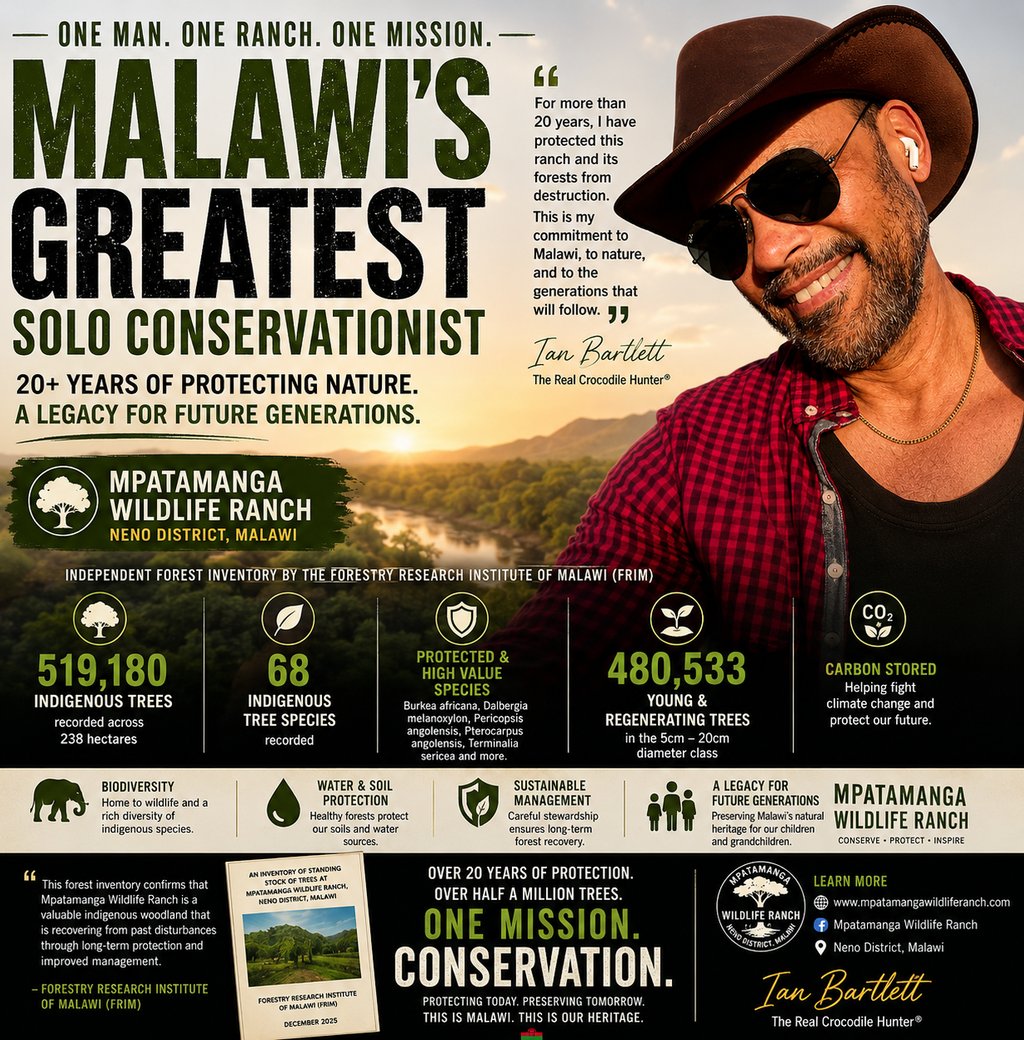
The Forestry Research Institute of Malawi (FRIM) has conducted a comprehensive assessment that has unearthed remarkable findings regarding the state of Malawi's woodlands. The assessment documented the presence of over 519,180 indigenous trees and identified 68 different species, reflecting the rich biodiversity within the region. This extensive inventory plays a pivotal role in understanding the breadth of Malawi's forest ecosystems, as it emphasises the significance of maintaining a diverse range of flora for ecological stability.
These findings are particularly important in the context of biodiversity preservation. The various species documented by FRIM serve as critical components of the ecosystem, contributing to essential functions such as soil stabilisation, carbon sequestration, and habitat provision for wildlife. The presence of indigenous trees signifies a resilient ecosystem that can adapt to environmental changes and support a variety of life forms. By acknowledging the diversity of tree species, conservationists are better equipped to develop targeted strategies aimed at protecting and enhancing these natural resources.
Moreover, the recovery of the woodland ecosystem is fundamentally linked to the health of these indigenous species. With tailored conservation initiatives, the restoration of native trees can foster sustainable forest management practices and mitigate the effects of deforestation. The documentation provided by the FRIM not only underlines the successes achieved in my woodland restoration but also highlights the ongoing efforts necessary to reinforce these ecosystems against threats such as climate change and habitat loss. Ultimately, the results of this assessment underscore the vital role that comprehensive research plays in guiding conservation efforts and ensuring the longevity of Malawi’s rich natural heritage.
The Role of Individual Commitment in Conservation, as a founder of Mpatamanga Wildlife Ranch, epitomises the pivotal role that individual commitment plays in ecological preservation and wildlife management. My conservation journey began with a deep-rooted passion for the natural world, which over the years transformed into actionable projects aimed at restoring and rehabilitating woodland areas in Malawi. Central to this mission is his unwavering dedication, which has not only led to the successful reintroduction of native species but also to the enhancement of the local ecosystem.
In regions where government support may be inadequate or inconsistent, the impact of individual leadership becomes even more pronounced. My approach illustrates how personal commitment can drive community engagement and mobilise resources effectively. By leading by example, he has inspired numerous local individuals and stakeholders to participate in conservation efforts, fostering a sense of shared responsibility for the environment. Such grassroots initiatives often yield significant outcomes, especially in areas that lack substantial institutional backing.
The importance of individual commitment in conservation cannot be overstated. Each effort, no matter how small, contributes to the greater goal of sustainability and environmental restoration. My legacy is shaped not only by tangible results, such as the flourishing habitats within the ranch, but also by my ability to galvanise collective action. His efforts serve as a reminder that dedicated individuals can make substantial changes, setting a standard for others to follow. Furthermore, through advocacy and education, he continues to emphasise the significance of personal responsibility in conservation, encouraging others to embrace a similar ethos.
The Broader Impact of Mpatamanga’s Success
The success of the Mpatamanga ranch in Malawi stands as a significant testament to the effectiveness of private conservation initiatives. By harnessing local resources and community involvement, the ranch has successfully restored expansive areas of woodland, resulting in a multitude of ecological and economic benefits. This model underscores the potential of individuals and private entities to make impactful contributions to biodiversity conservation, often filling gaps that public initiatives may not effectively cover.
Certainly, the achievements observed at Mpatamanga are not just isolated victories; they possess broader implications for conservation policy in Malawi and beyond. The ranch demonstrates that with proper management, dedication, and sustainable practices, significant harm to ecosystems can be remedied. It serves as a practical guide for other regions grappling with similar issues, showcasing how collaborative approaches can lead to considerable recovery of natural resources.
Policymakers in Malawi can look to the Mpatamanga ranch as a blueprint for developing frameworks that leverage private initiatives for positive environmental outcomes.
The implications of this success extend beyond Malawi's borders, as other nations observe the methods employed at the ranch, inspiring similar models in diverse geographic and ecological contexts. Ultimately, Mpatamanga’s success serves not only as a beacon for environmental restoration but also as an important lesson in the role that private individuals can play in the global endeavour of biodiversity conservation.
Future Directions
The journey of Mpatamanga Wildlife Ranch serves as a solid testament to the dedication and resilience that is necessary in conservation efforts. Over the years, the ranch has fostered significant changes through woodland restoration initiatives, showcasing that sustainable land management and biodiversity can indeed coexist. However, it is vital to recognise that challenges in conservation persist. Habitat loss, climate change, and human-wildlife conflicts are ongoing threats that demand continuous attention and innovative solutions.
As we reflect on the accomplishments of Mpatamanga Wildlife Ranch, we should also consider the broader implications of these efforts. The restoration of woodlands is not merely about enhancing the environment but also about promoting human well-being. Healthy ecosystems provide essential services, such as clean water, air quality, and abundant resources, which are crucial for local communities. Therefore, the interconnection between environmental health and community sustainability must be prioritised in future conservation planning.
Moving forward, both governmental and non-governmental entities must work collaboratively to bolster conservation efforts. This involves not only enhancing policy frameworks but also engaging local populations effectively. Empowering communities through education and resources will foster a sense of stewardship toward their natural heritage. Furthermore, individuals and organisations alike can play a crucial role in supporting such initiatives. By contributing to environmental charities, participating in volunteer programs, or advocating for conservation policies, everyone can help ensure the preservation and restoration of natural landscapes.
The legacy of Mpatamanga Wildlife Ranch is a call to action. It reminds us of the significance of sustained efforts in conservation, recognising that the fight to protect our environment is ongoing. Together, by supporting these endeavours, we can contribute positively to the future of our biological heritage and the health of our planet.
The Real Crocodile Hunter®
© 2026 Ian Bartlett.
The Real Crocodile Hunter® is a registered trademark. All Rights Reserved.