Celebrating World Crocodile Day: My Journey from Hunter to Conservationist
6/18/20264 min read
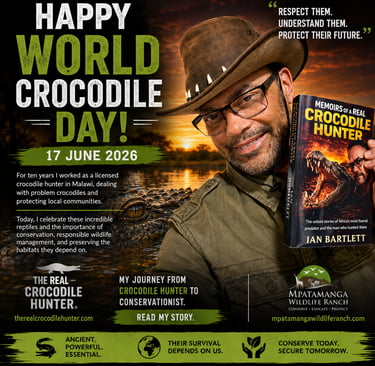
The Allure and Significance of Crocodiles
Crocodiles, often depicted as formidable predators, possess fascinating attributes that extend beyond their reputation as fearsome hunters. These reptiles have thrived for over 200 million years, making them one of the most successful species on the planet, capable of adapting to various environments. Their evolutionary history showcases a remarkable resilience that has enabled them to survive the mass extinctions that have wiped out numerous other species.
Integral to aquatic ecosystems, crocodiles play a critical role in maintaining the balance of their habitats. By regulating prey populations, they contribute to the health of water bodies and surrounding landscapes. As apex predators, crocodiles ensure that herbivore numbers do not exceed the ecological carrying capacity, thereby promoting biodiversity. This trophic balance supports a mosaic of life, from fish and amphibians to the vegetation along riverbanks, showcasing their importance in ecosystem dynamics.
Despite their significance, crocodiles are often misunderstood and perceived solely as dangerous creatures. This misunderstanding stems from their predatory nature, which can evoke fear and negative sentiment among humans. However, it is crucial to recognize that most species of crocodiles are not inherently aggressive and typically avoid human interaction. Education and awareness initiatives may help shift these perspectives, encouraging conservation efforts aimed at protecting these remarkable reptiles.
In addition to their ecological role, crocodiles are also indicators of environmental health. Their presence often signifies a well-functioning ecosystem, as they require clean water and abundant food sources to thrive. Therefore, the conservation of crocodile populations is not merely about the animals themselves, but about preserving the ecosystems they inhabit, highlighting their allure and significance in the natural world.
My Experience as a Licensed Crocodile Hunter
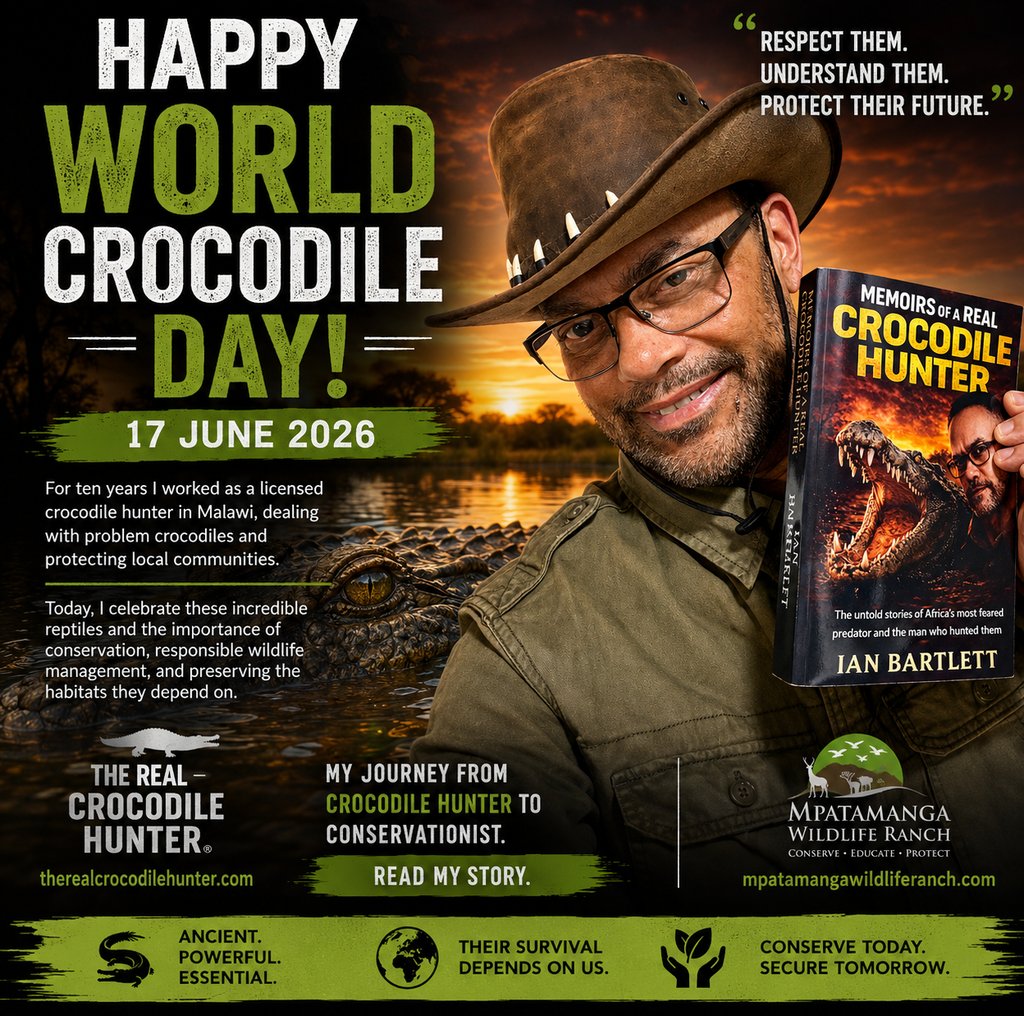
For over a decade, I served as a licensed crocodile hunter in the diverse landscapes of Malawi, where the balance between human activity and wildlife is precariously maintained. My role involved addressing the challenges posed by problem crocodiles, an integral part of ensuring the safety of local communities living in close proximity to crocodile habitats. The task was not without its difficulties, as these animals, often perceived as formidable threats, require a nuanced understanding and specialized skills to manage effectively.
One of the first lessons I learned as a crocodile hunter was the importance of observation. Recognizing signs of crocodile activity, like tracks or nests, allowed me to better anticipate their behavior. Additionally, developing effective monitoring strategies was crucial. This was particularly evident during periods of high rainfall when crocodiles became more active, posing a heightened risk to local aquaculture and fishing activities. I found that being well-versed in their seasonal patterns made it easier to mitigate potential conflicts.
Beyond the challenges of crocodile behavior, the human factor often presented intense situations. Gathering local support and understanding their fears was vital. Many communities sincerely believed crocodiles were a direct threat to their livelihoods, leading to emotional responses during confrontations. It was imperative for me to communicate sensitively and transparently, often facilitating community meetings to educate residents on crocodile behavior, helping them distinguish between harmless and aggressive encounters.
In the end, my time as a licensed crocodile hunter allowed me to transition from a role traditionally viewed as one of eradication to one focused on conservation efforts. While the encounters were sometimes fraught with intensity, they fostered a profound respect for these ancient reptiles and highlighted the importance of coexisting peacefully with wildlife, making the journey both challenging and rewarding.
The Shift Towards Conservation and Responsible Management
The transformation from crocodile hunting to conservation represents a significant evolution in understanding the relationship between humans and wildlife. Historically, crocodiles were often perceived as threats, leading to widespread hunting practices aimed at population control. However, as awareness about biodiversity and ecosystem health has increased, a shift towards conservation has emerged, emphasizing responsible management of crocodilian populations.
Conservationists advocate for sustainable practices that prioritize the protection of crocodiles and their habitats. One effective technique is the establishment of protected areas, where crocodiles can thrive without the pressures of hunting and habitat destruction. These areas not only benefit crocodilian species but also enhance overall ecosystem health, providing other wildlife populations with safe zones. This approach underscores the importance of maintaining ecological balance and the role that various species play within their environments.
Furthermore, community involvement is a pivotal aspect of modern conservation strategies. Engaging local populations in crocodile conservation initiatives helps foster a sense of stewardship towards these reptiles. Educational programs that inform communities about the ecological role of crocodiles and the economic benefits of eco-tourism can be instrumental in shifting perceptions. By encouraging a symbiotic relationship between humans and crocodiles, communities are more likely to become allies in conservation efforts.
Additionally, responsible management practices include regular monitoring of crocodile populations. This involves collecting data on their numbers, breeding patterns, and health. Utilizing this information, conservationists can implement policies that ensure sustainable populations, minimizing human-wildlife conflict. Such strategies facilitate coexistence, allowing both humans and crocodiles to benefit from their relationship while safeguarding the future of these ancient reptiles.
Lessons Learned and the Call for Preservation
Throughout my journey from an uninformed hunter to a passionate conservationist, I have gathered invaluable insights into the importance of crocodiles within our ecosystem. These magnificent reptiles are not merely remnants from the age of dinosaurs; they are key players in maintaining the balance of various aquatic environments. Understanding their role highlights the necessity of safeguarding their habitats against the ever-encroaching threats posed by urbanization, pollution, and climate change.
Celebrating World Crocodile Day serves as a pivotal reminder of the vulnerabilities faced by these ancient creatures. In many regions, crocodile populations have been significantly diminished due to indiscriminate hunting and habitat destruction. During such observances, we are called to raise awareness about these pressing issues and promote the need for sustainable practices that protect crocodile habitats. Education plays a fundamental role in conservation; by informing others about the ecological significance of crocodiles, we can foster a culture of respect and preservation.
Moreover, my experiences have taught me that conservation efforts can be greatly enhanced through community involvement. Engaging local populations in preserving crocodile habitats can lead to innovative approaches that benefit both wildlife and human communities. For instance, eco-tourism initiatives centered around crocodile conservation not only protect these species but also create economic opportunities for local residents.
In conclusion, as we celebrate World Crocodile Day, it is imperative that we reflect on the lessons learned about the vital importance of preserving not just crocodiles, but their ecosystems. It is a collective responsibility that calls for action from individuals, communities, and governments alike. Together, we can ensure that these remarkable reptiles continue to thrive for generations to come.
The Real Crocodile Hunter®
© 2026 Ian Bartlett.
The Real Crocodile Hunter® is a registered trademark. All Rights Reserved.