Hunting Man-Eating Crocodiles at Night
Precision in the Dark
Ian Bartlett
2/18/20263 min read
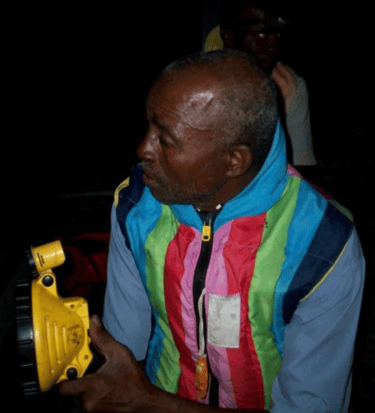
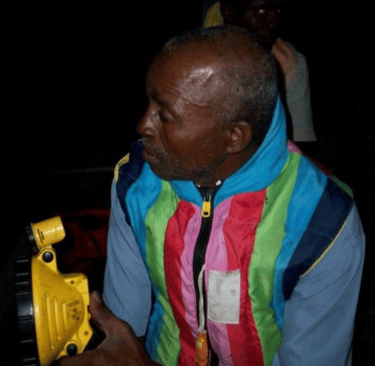
For over ten years, I worked in Malawi on professional crocodile problem-animal control, removing more than 300 confirmed problem animals from rivers and lakes where communities live, fish, and cross daily.
This was not recreational hunting.
It was a necessary intervention when a Nile Crocodile had become a direct and repeated threat.
Most of that work happened at night.
The Light Problem No One Mentions
Spotlight work is more technical than most realise.
When first locating a crocodile, the beam is steady on the eyes. The red reflection gives you your reference. But during the final approach inside close range, the light must be lifted slightly off the animal.
Keep the beam fixed on the head at a very close distance, and the crocodile will often spook and dive instantly.
So the last few metres are done with reduced illumination.
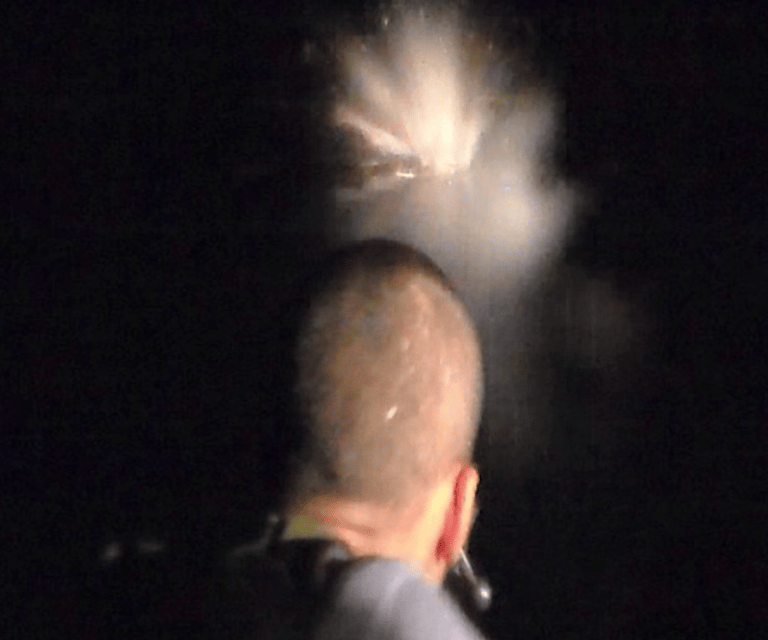
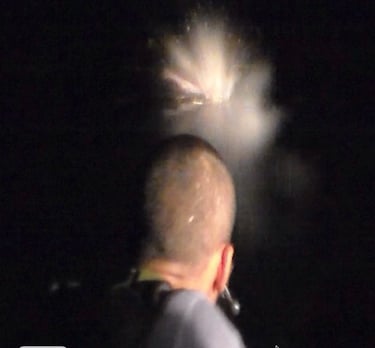
By the time you are inside five metres, the spotlight is raised just enough to avoid triggering a dive. That means the shot is taken in partial darkness — using ambient spill rather than a fully lit target.
You are shooting at a dark silhouette on black water.
Under Five Metres — On Moving Water
Many shots were taken inside five metres.
From a boat on the current.
One hand is maintaining control of the steering wheel.
The other is managing the rifle.
At that range, distance is irrelevant.
Angle is everything.
The Brain Shot — Technical Reality
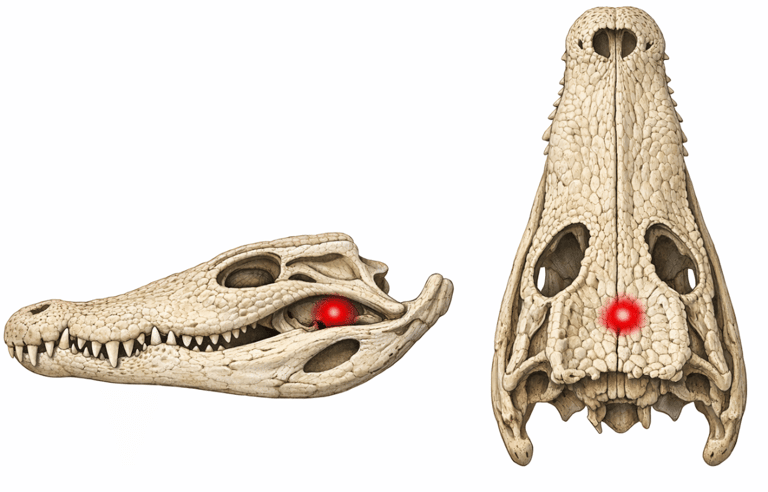
The common advice to aim “between the eyes” is incorrect.
The crocodile’s brain sits low and rearward within a heavily armoured, sloped skull. From a slightly elevated boat position, you are often looking down at bone designed to deflect impact.
At close range:
• Slightly high = deflection
• Slightly forward = sinus cavity
• Slightly lateral = heavy jaw muscle
The viable neurological window is small—about the size of a coin.
And in partial darkness, that window becomes even harder to define.
Immediate shutdown of the central nervous system is the objective. Nothing less is acceptable in professional control work.
Three Independent Movements
Night river work involves constant motion:
1. The boat shifts and vibrates.
2. The current rotates and nudges the hull.
3. The crocodile makes subtle head adjustments.
At five metres, minimal muzzle deviation meaningfully alters the impact point.
There is no solid ground.
No fixed brace.
Only balance, breath discipline, and timing.
Optics at Close Quarters
At extreme close range, magnification becomes a liability.
A properly zeroed red dot allows:
• Both-eyes-open awareness
• Rapid acquisition
• Reduced visual distortion from movement
• Immediate correction
But optics cannot compensate for poor anatomical understanding.
You are aligning a trajectory through dense cranial bone into a small brain mass — from a moving platform — in reduced light.
Consequence of Error
A poor hit at under five metres can result in:
• Violent thrashing beside the hull
• Immediate dive beneath the boat
• Disappearance into reeds or current
A wounded crocodile in close quarters is far more dangerous than one at a distance.
In problem animal control, “almost” is failure.
Night crocodile hunting in Malawi was never about spectacle or bravado.
For all of my removals across a decade, the constants were clear:
• Respect the anatomy.
• Respect the platform.
• Respect the river.
• Take the shot only when it is right.
When the spotlight lifts and the final metres are made in near-darkness, you are left with skill, discipline, and judgment.
On moving water.
At close range.
With millimetres determining the outcome.
That is the unseen side of professional crocodile control.
The Real Crocodile Hunter®
© 2026 Ian Bartlett.
The Real Crocodile Hunter® is a registered trademark. All Rights Reserved.