What Makes a Crocodile Become a Man-Eater?
Ian Bartlett - The Real Crocodile Hunter
1/29/20262 min read
Introduction to Crocodile Behaviour
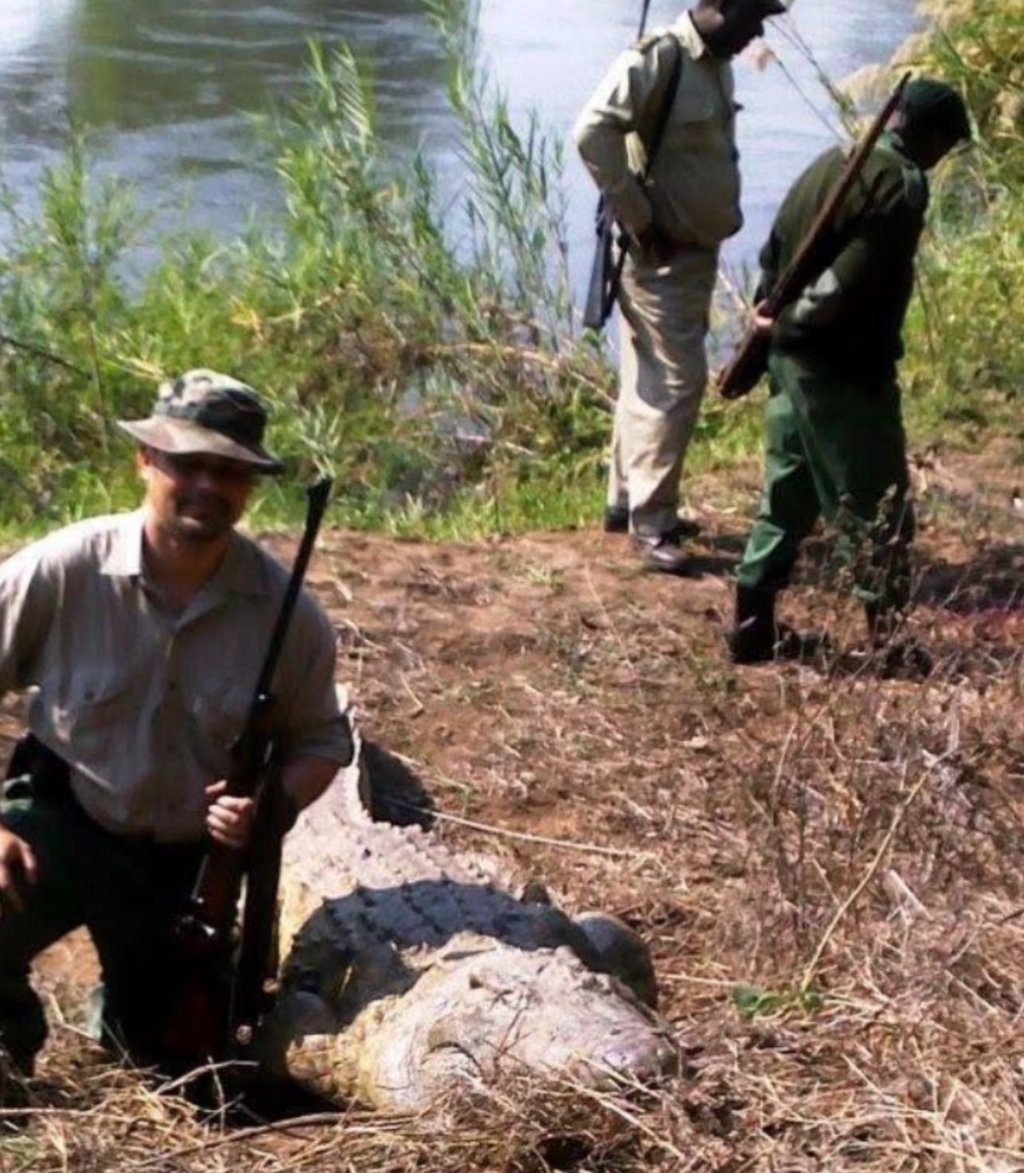
Crocodiles are often misconceived as mere predators acting on instinct. However, the reality is much more complex. A crocodile's transformation into a man-eater doesn't stem from an "evil instinct"; rather, it results from various environmental and behavioural factors that influence their predatory habits. Over many years along African rivers, I have observed the circumstances that commonly lead crocodiles to engage in human predation and how these factors can be managed.
Key Factors Behind Crocodile Man-Eating Behaviour
Understanding what makes a crocodile turn to humans involves examining several key factors:
Habituation: Crocodiles lose their natural fear of humans when they become accustomed to human activities in their habitats. Regular interactions, such as fishing, bathing, or washing clothes in the same river areas, desensitise these reptiles, making them more likely to perceive humans as part of their environment and, in turn, as potential prey.
Injury or Age: Older or injured crocodiles find it increasingly difficult to hunt swift prey. As their physical capabilities wane, they turn to slower, easier targets—often leading them to interact with humans as prey, especially when local populations frequent the same waterways.
Territory Pressure: Habitat destruction, overfishing, and disturbances along riverbanks push crocodiles into closer proximity with human settlements. As their natural habitat shrinks, encounters with humans become not only more frequent but also more dangerous for both parties as food sources dwindle.
Opportunity: Once a crocodile successfully attacks and consumes a human, its behaviour may shift dramatically. This pivotal moment rewires their instincts, as they learn to associate humans with food, leading to further attacks and deepening the cycle of fear and violence along riverbanks.
The Consequences of Crocodile Man-Eating
The aftermath of a crocodile becoming a man-eater is profound. Communities begin to avoid the affected rivers, and fear permeates the area—livestock disappears, and children are prohibited from approaching the water. Normal activities cease as the river transforms from a source of life to a symbol of danger. This often brings about a critical point in our relationship with crocodiles.
Intervention becomes an unavoidable responsibility—not driven by revenge against the creatures, but by the necessity of restoring balance in the ecosystem and ensuring human safety. Whether through educating local communities, implementing measures to deter crocodile encounters, or removing specific threats, understanding these behavioural transitions is crucial for peaceably coexisting with these ancient reptiles.
Crocodiles becoming man-eaters is rarely a sign of inherent malice. Instead, it reflects a complex interplay of habitual behaviour, environmental pressures, and learned responses. Recognising these factors is essential for developing safe and sustainable coexistence strategies. As we better understand these magnificent creatures, we have a greater responsibility to protect both them and ourselves.
The Real Crocodile Hunter®
© 2026 Ian Bartlett.
The Real Crocodile Hunter® is a registered trademark. All Rights Reserved.